

Sustainable Living Room Ideas That Look Expensive
A secondhand oak table, worn silky at the edges by thirty years of elbows, does more for a room than anything shipped new this season. Sustainable living room ideas start with that table: fewer pieces, chosen well, kept for decades.
This list is about editing down, not shopping up. You’ll find 31 ways to keep, repair, remove and rearrange, plus a plan for what to cull first.
Sustainable living room ideas: Starting points for your space
The short answer for anyone searching: a sustainable living room owns fewer things, keeps them longer, and buys only what it can’t repair or find secondhand. Everything below follows from that.
Keep the wall color you already have
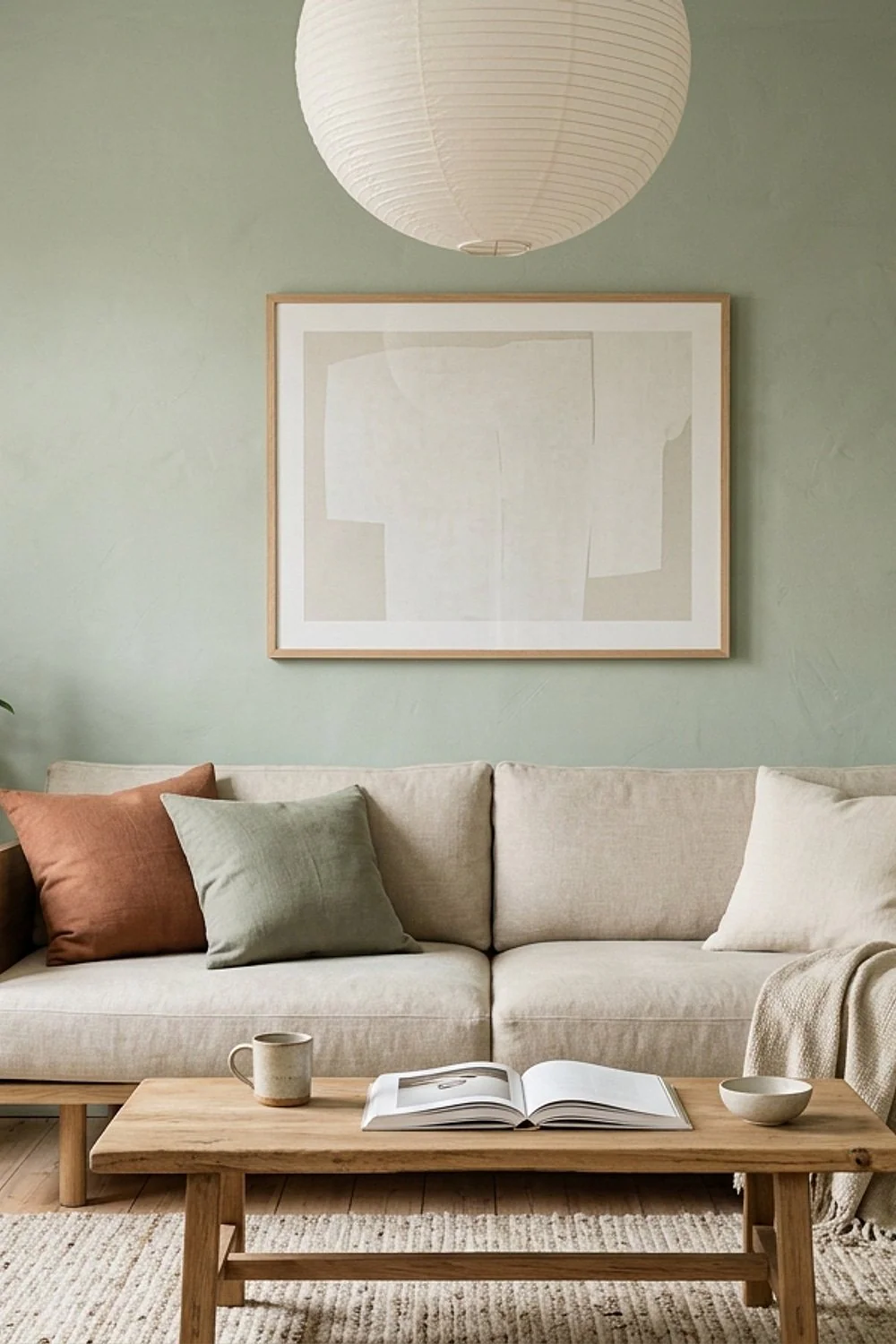
A fresh coat on four walls takes roughly 2 gallons for a 12 by 14 foot room, plus rollers, trays and tape that mostly end up in the bin. Leaving a sound, even wall alone is the lowest-waste decision in the room.
Repaint only when the color fights the light, like a gray that turns muddy by 4pm. If you do, choose a low-VOC finish and test one square foot first.
A lidded trunk that works as the coffee table
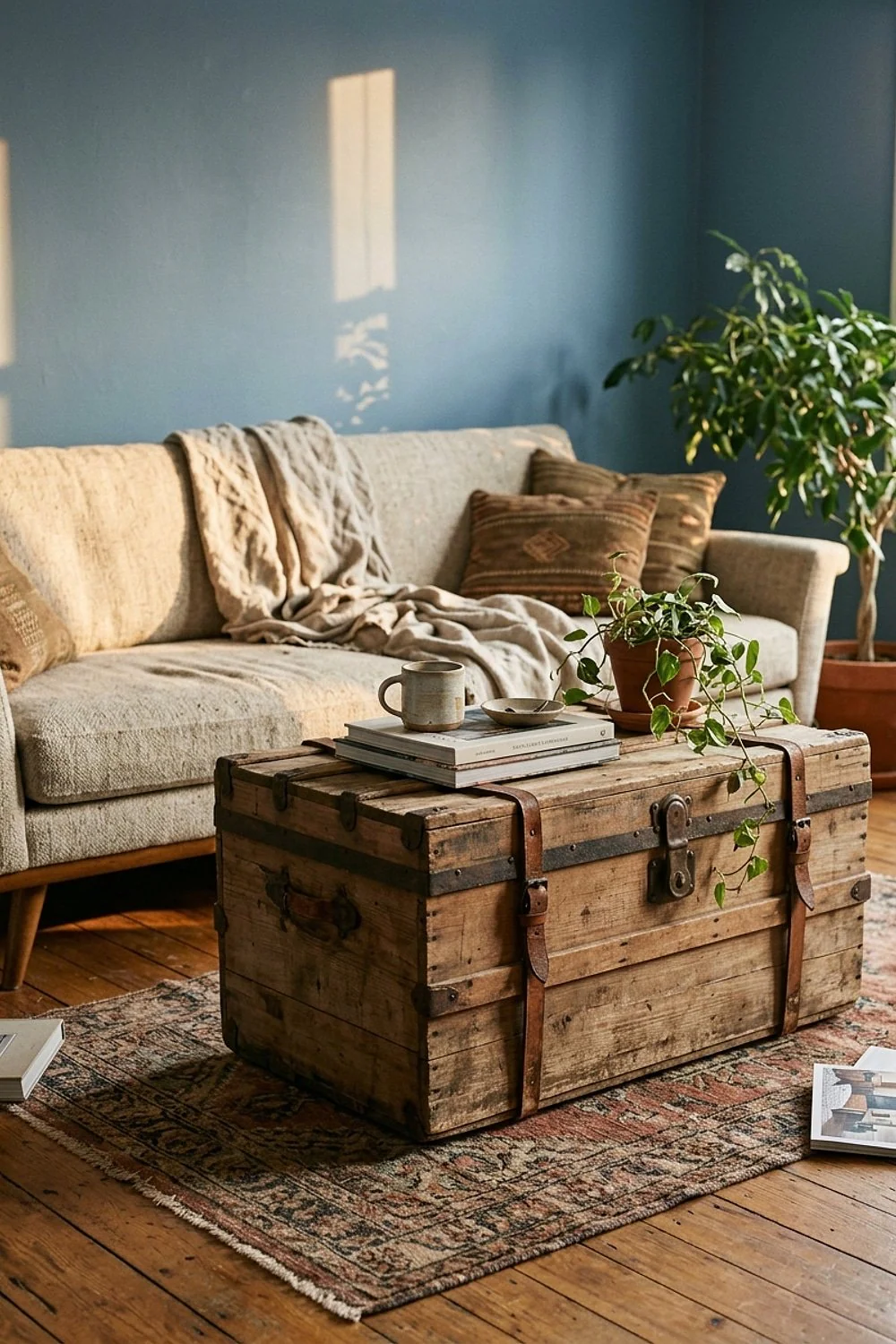
A 36-inch wooden trunk replaces a coffee table, a storage unit and a footrest in one footprint. The lid sits near 17 inches high, which matches most sofa seats and keeps a mug within reach.
It suits small rooms with a pile of throws and remotes to hide. Skip trunks with a heavy, slamming lid, because a soft-close hinge protects both fingers and finish.
Skip the matched three-piece set
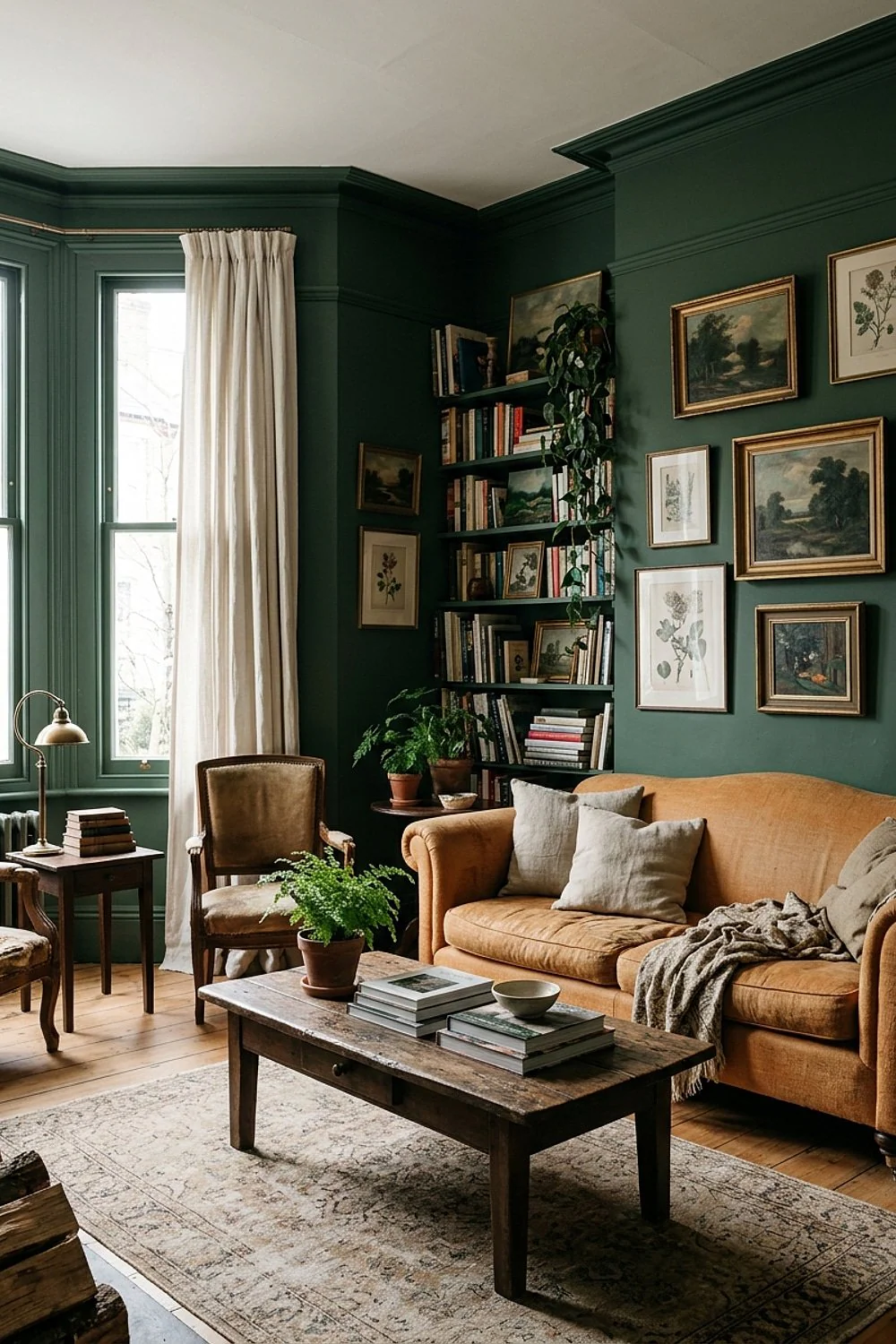
Buying a sofa, loveseat and armchair in one go locks the whole room into a single fabric and a single decade. Those sets often start around $1,800, and one stained arm retires the lot.
One good sofa plus a secondhand armchair in a different shape ages better. The mismatch is the point.
A 16-inch-deep sideboard with closed doors
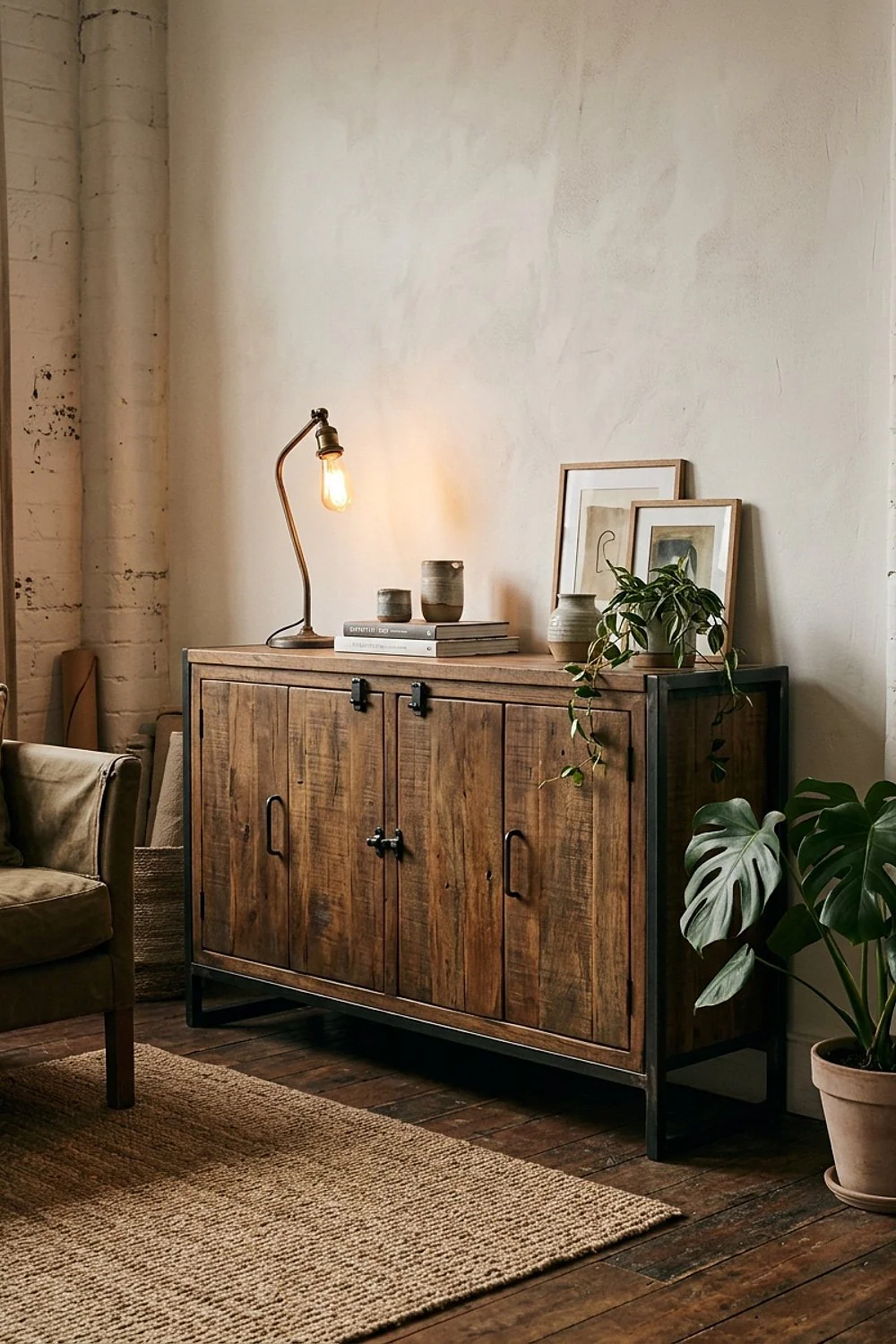
Solid-wood sideboards hold what three shelving units usually hold, and the doors keep the clutter out of sight. That lets the top surface stay nearly bare.
This works best where books, board games and cables otherwise end up on display. Check the shelf pins before buying, since fixed shelves limit what the cabinet can store in ten years.
Open the curtains fully by day
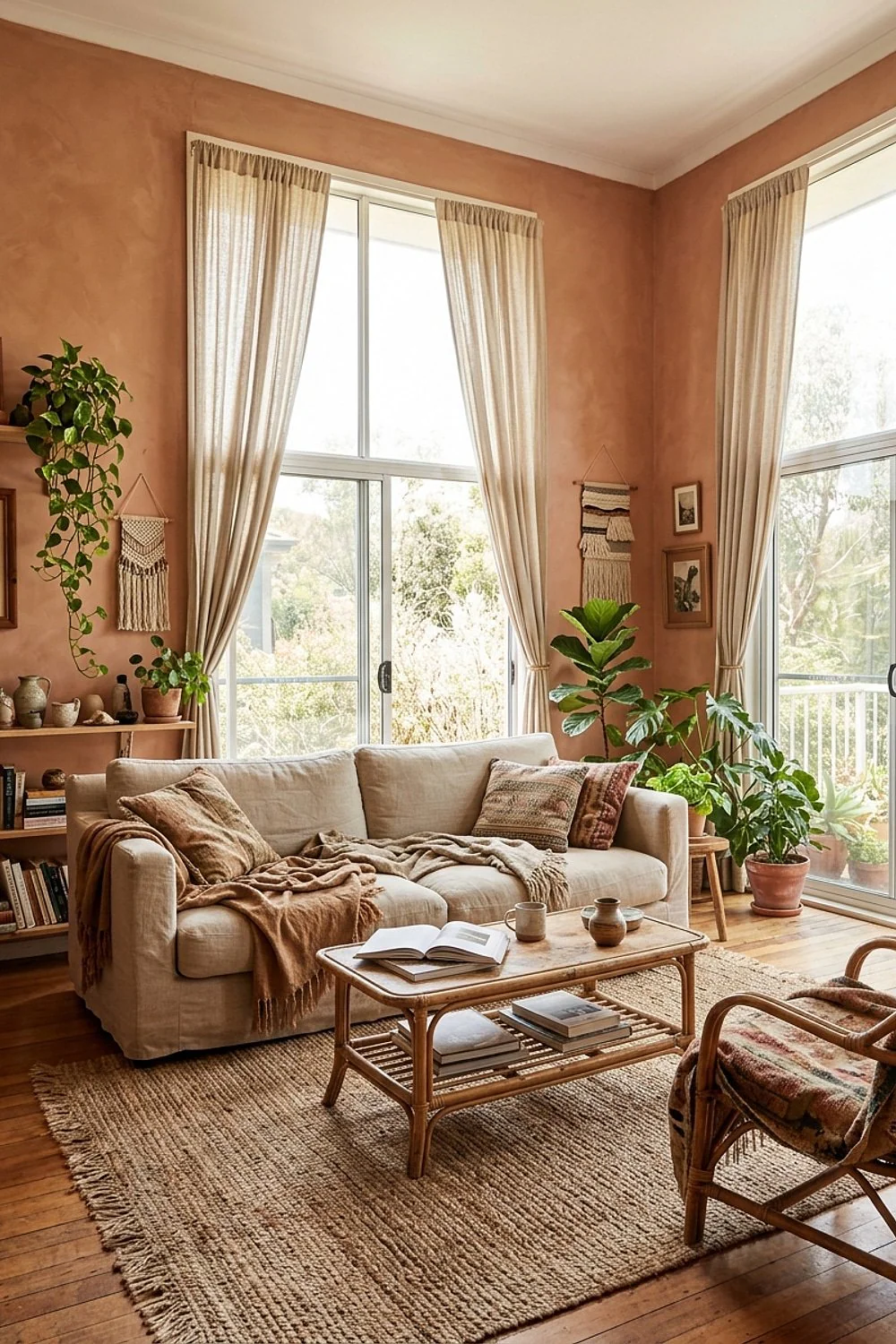
Sheer linen on a rod mounted 4 to 6 inches beyond the window frame leaves every inch of glass exposed. A north-facing room can go without lamps until nearly 5pm.
The common mistake is heavy lined drapes hanging across the glass, which swallow the daylight you’re paying to heat. Pull them wide or take them down.
One heavy wool throw instead of five cushions
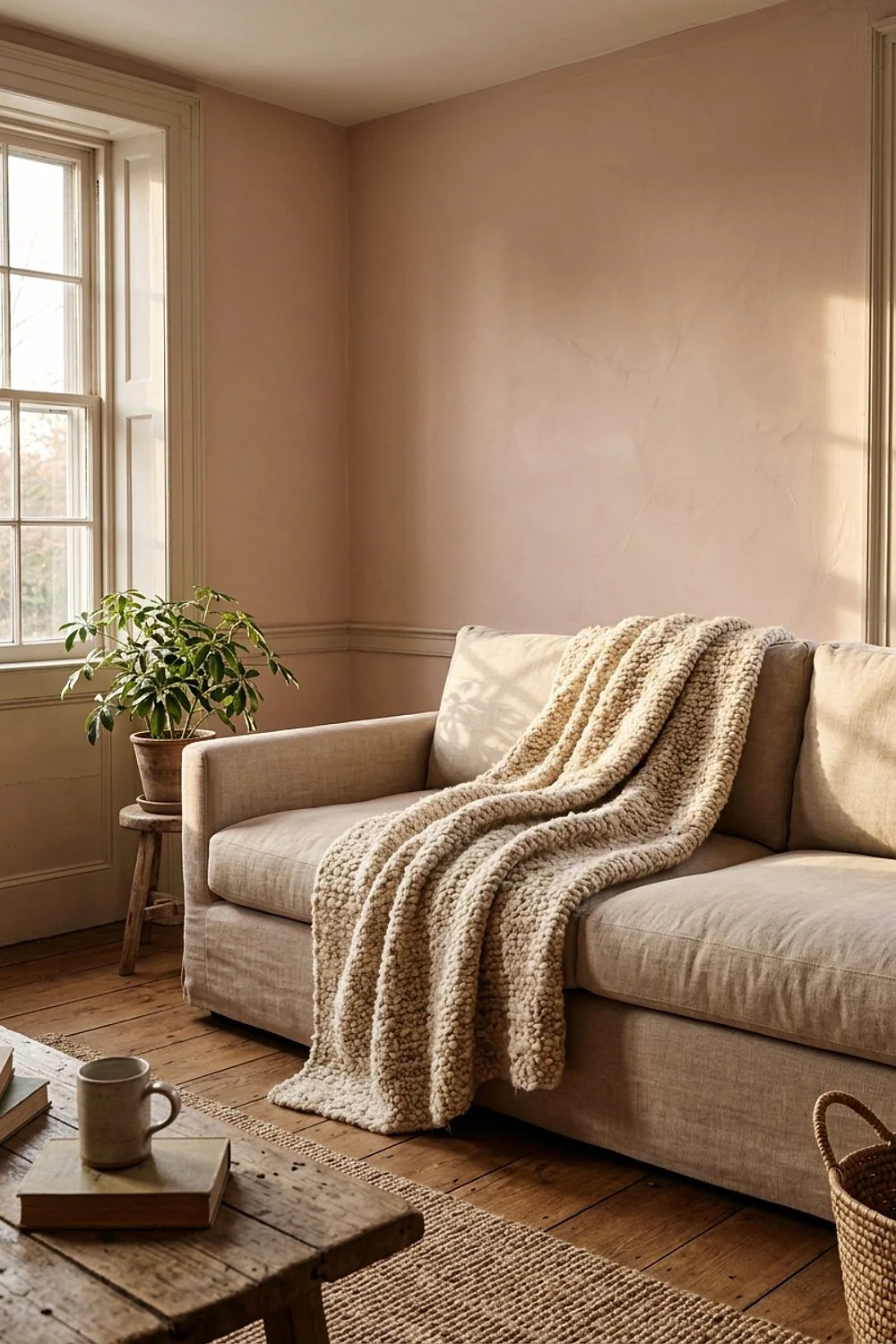
A wool throw around 50 by 70 inches holds heat, resists odors and can be aired on a line rather than washed every month. It suits households that turn the thermostat down a degree in winter.
Avoid acrylic blends, which pill within a season and shed microfibers. Pure wool should feel slightly dense and dry, never slick.
A shelf with 40 percent left empty
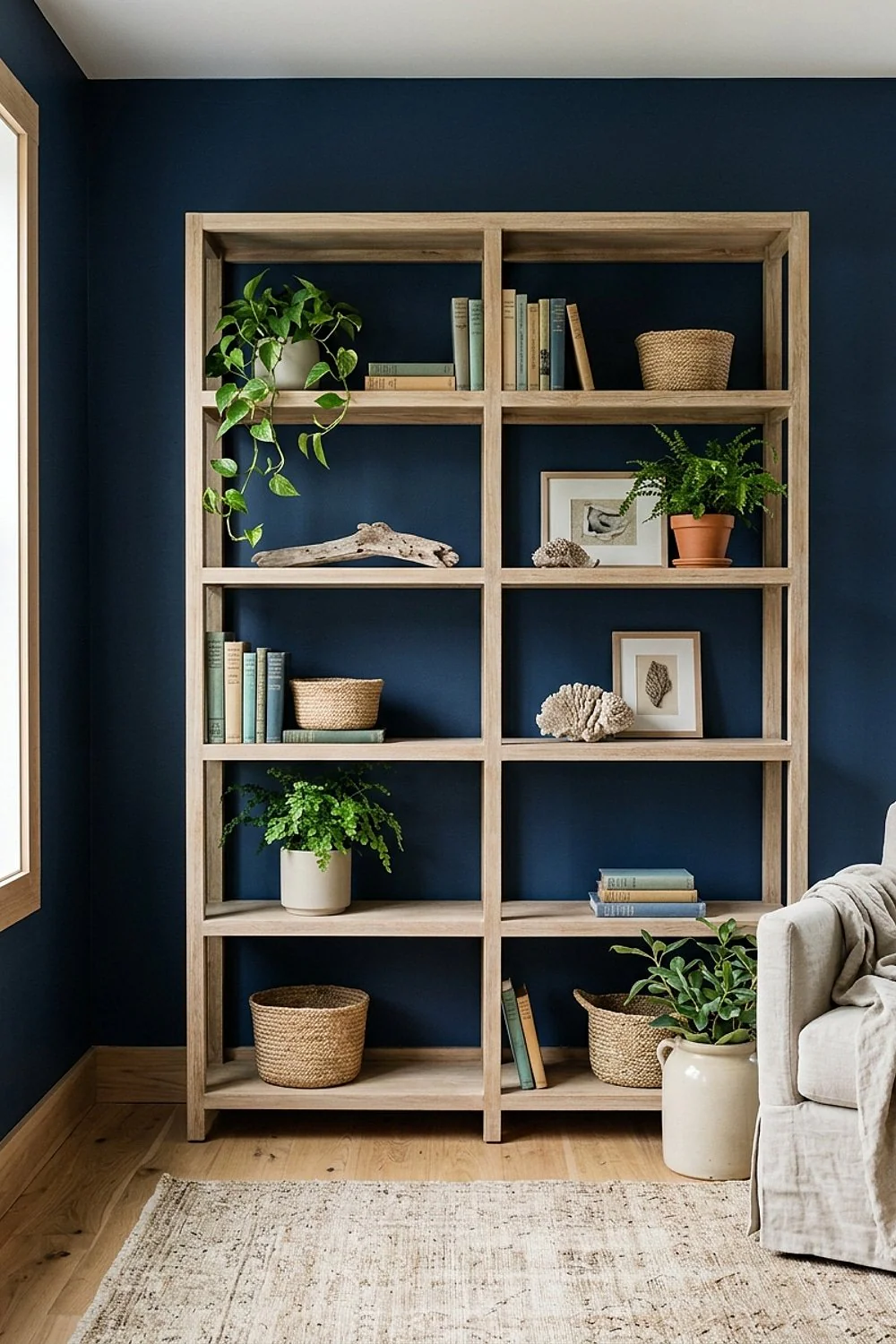
Three objects grouped on a shelf, with gaps either side, read as deliberate. The empty stretch gives the eye somewhere to rest, which is why a half-full shelf looks calmer than a packed one.
The trap is spacing things evenly like a shop display. Odd numbers and uneven gaps feel more lived in.
Solid wood over veneered board
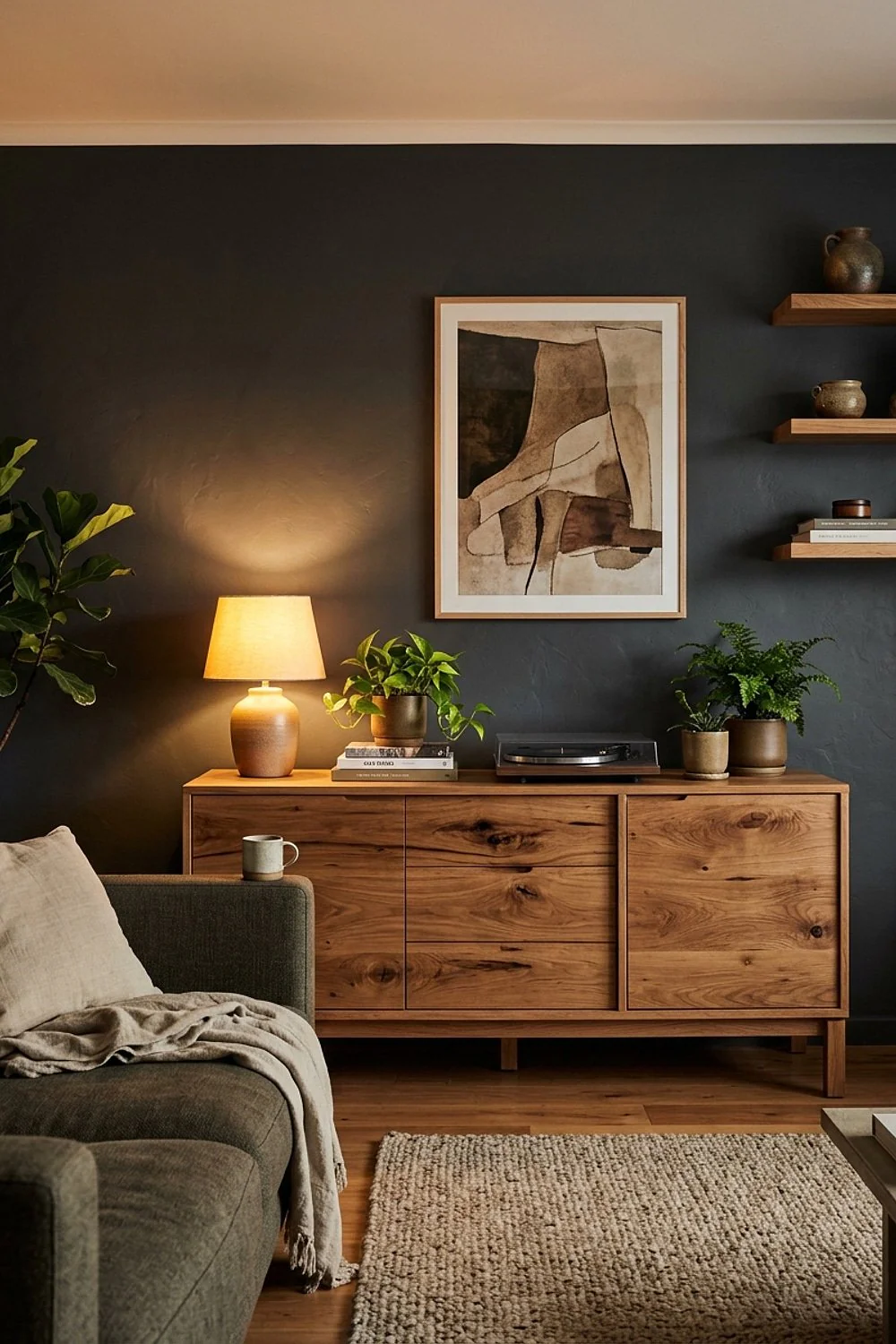
Solid oak or ash can be sanded and refinished four or five times, while veneered particleboard swells at the first spilled glass. Secondhand solid side tables often sell for $150 to $400, less than many new composite ones.
Rap a knuckle under the top. A hollow knock means board, and a peeling edge band means walk away.
Pull the sofa 18 inches off the wall
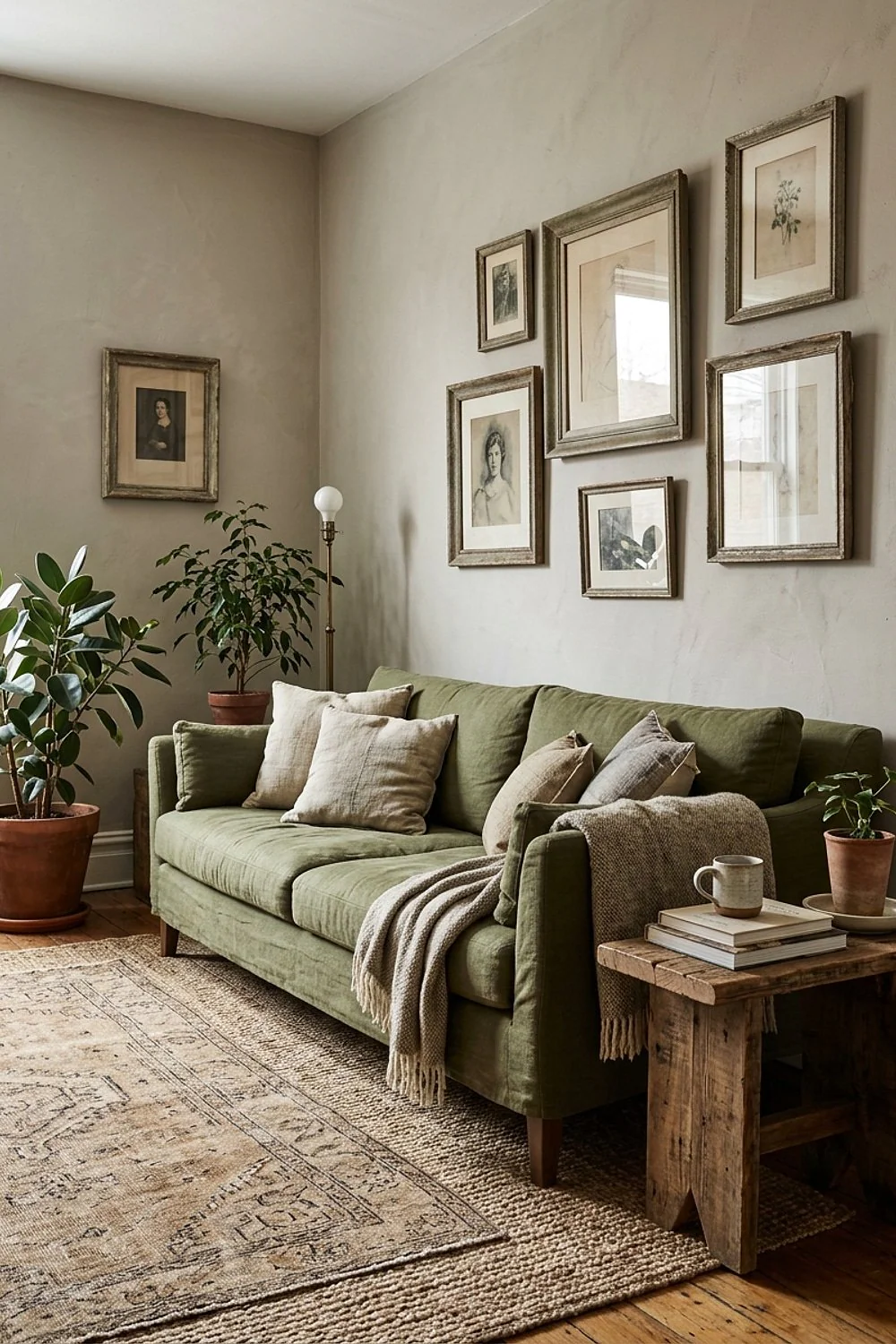
Floating the sofa defines the seating zone and costs nothing. A walkway behind it also stops the room from reading as a furniture lineup around the edges.
This suits rooms 12 feet wide or more. In a narrow room it backfires, so keep at least 30 inches clear for walking.
One 8 by 10 foot rug, not three small ones
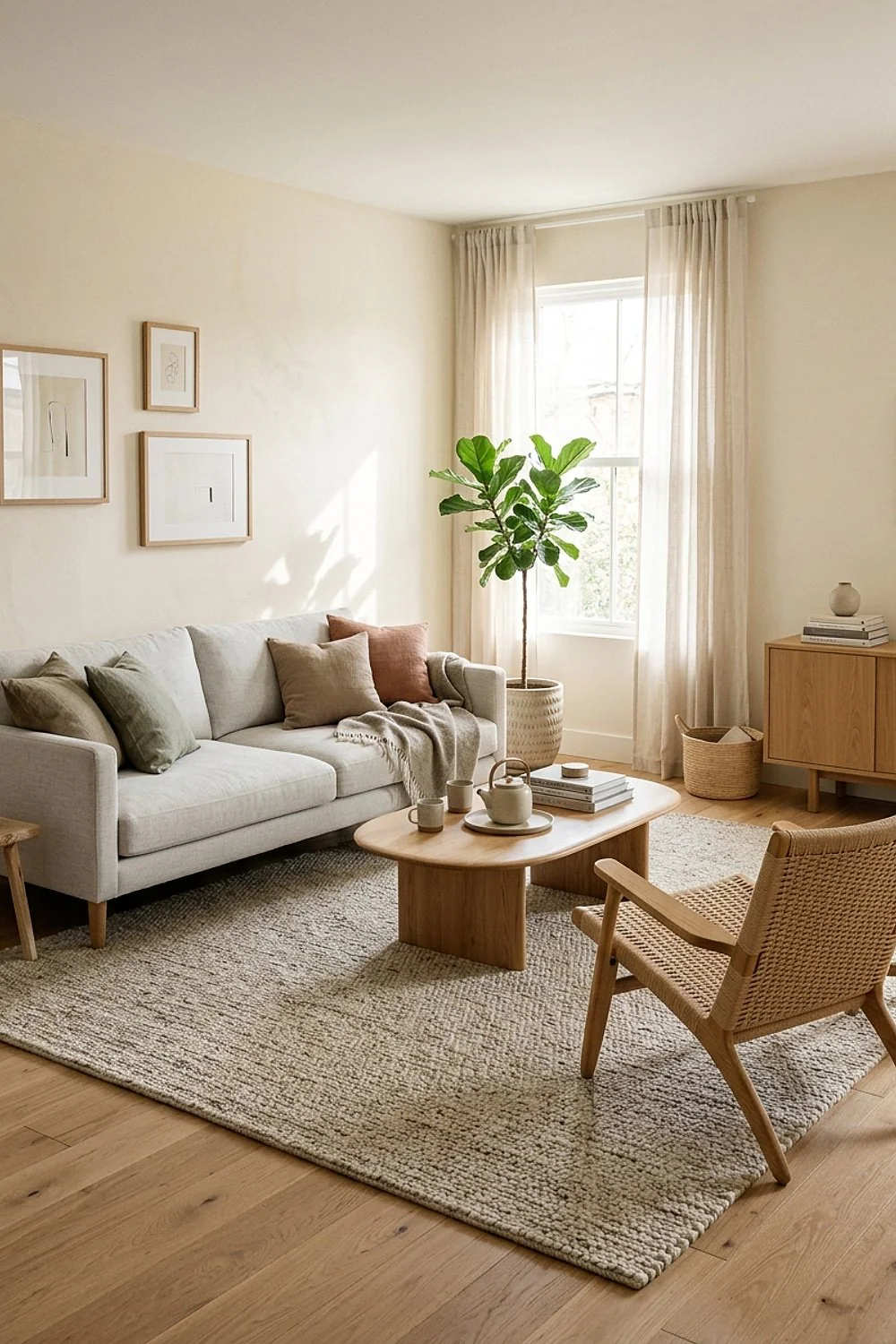
A single wool rug that reaches under the front legs of the sofa and chairs ties the group together and cuts down the purchases. Three small rugs cost more and look like postage stamps.
Measure a 12 by 14 foot room first. Leave 10 to 18 inches of bare floor around the edge so the rug sits like a frame.
Limewash on one wall only

Limewash and mineral paints are made from natural pigments and cure into a chalky, slightly cloudy surface. A gallon runs around $60, and one wall behind the sofa is plenty.
It suits plaster and masonry best, since it bonds chemically with them. On glossy painted drywall it needs a primer coat, which cancels some of the appeal.
An 18-inch stool that does two jobs

A three-legged wooden stool works as a side table on Tuesday and a spare seat on Saturday. Because it is only 12 to 14 inches across, it can live tucked against a wall.
It suits anyone who hosts occasionally but can’t justify a permanent fourth chair. Pick one with a flat, 1-inch-thick top so a glass won’t tip.
Re-stuff the cushions before replacing the sofa
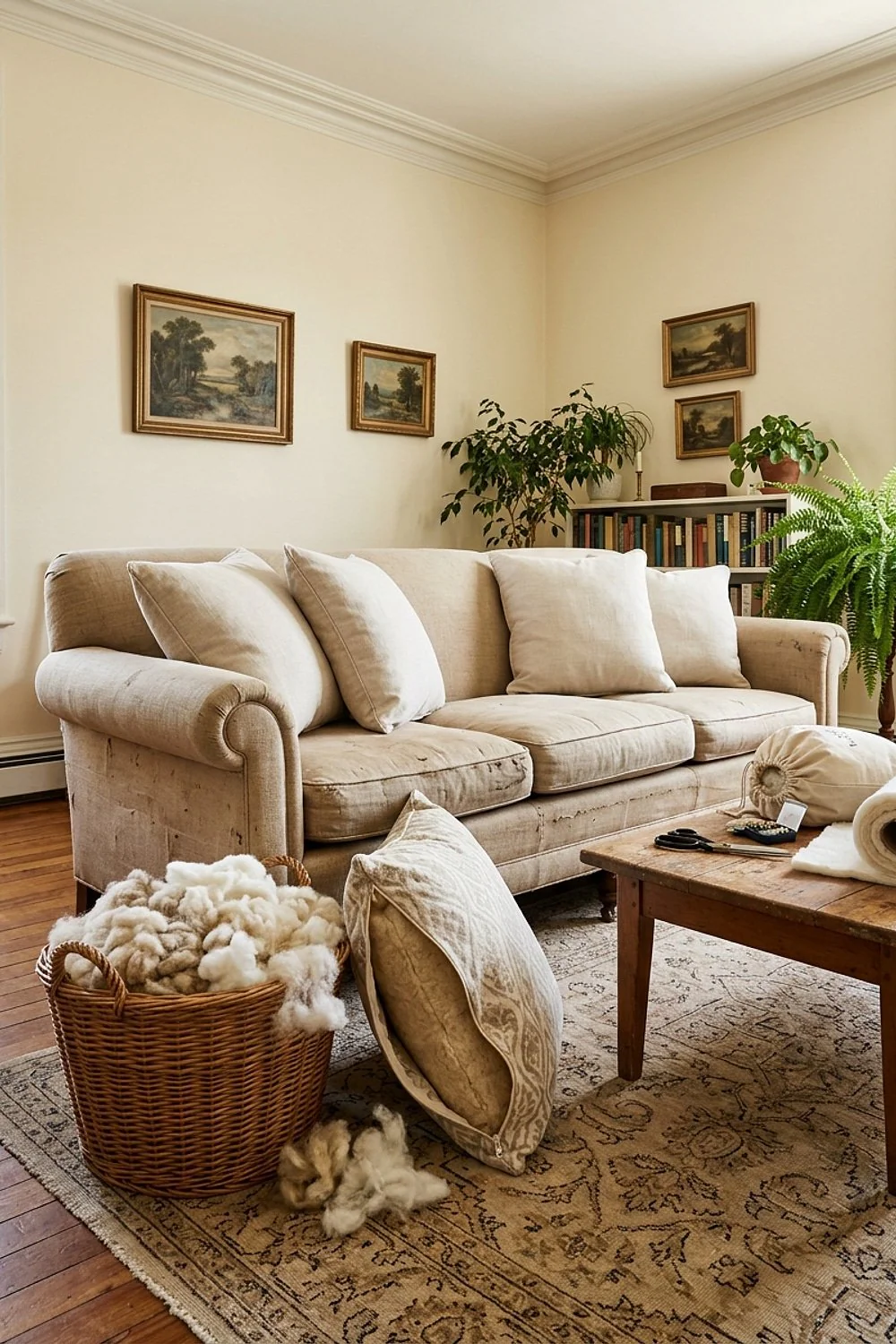
Sagging seats usually mean tired foam, not a dead sofa. Feather-wrapped foam inserts cost a fraction of a new frame, and a good hardwood frame can run 30 years or more.
(This only works if the frame is solid, and a cracked rail or wobbling joint can’t be fixed with fresh inserts.) Lift a corner first. If it creaks, repair or retire it.
A single wall shelf 8 inches deep

A 48-inch shelf at that depth holds around 40 paperbacks standing upright, which is a sensible limit for a living room. Anything beyond that earns a place in a bedroom or the library.
Choose a thickness of at least 1.25 inches so the board doesn’t bow. Wider shelves invite piles, and piles are what this idea removes.
Rewire the vintage lamp
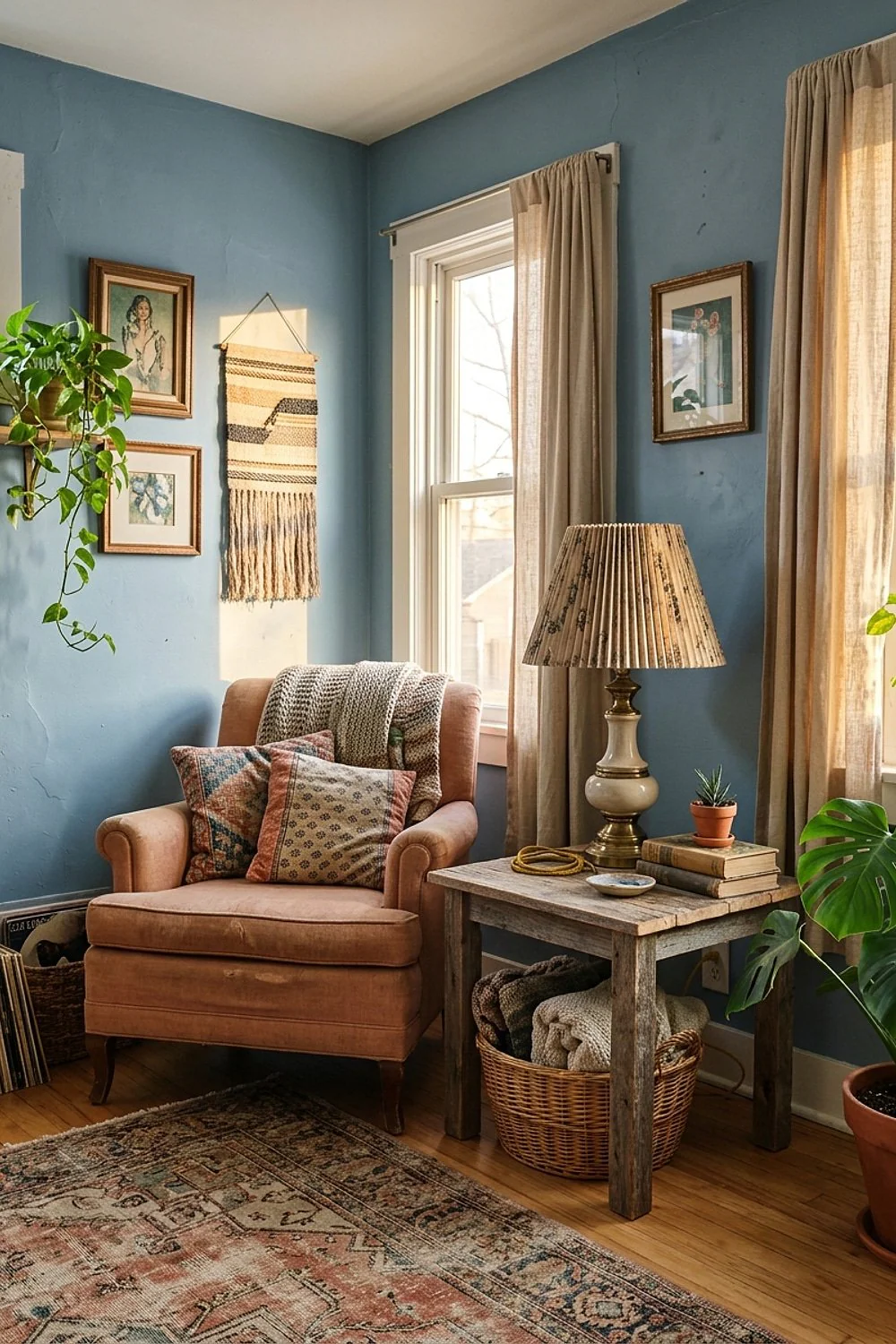
A rewire kit costs about $12 and takes 20 minutes with a screwdriver. A brass base with decades of life left deserves a new cord and a 2700K LED bulb, which gives off a candle-warm light.
It suits anyone who owns a solid lamp base with a frayed cord. Never reuse cracked insulation, because that part is a fire risk.
One armchair chosen by seat height
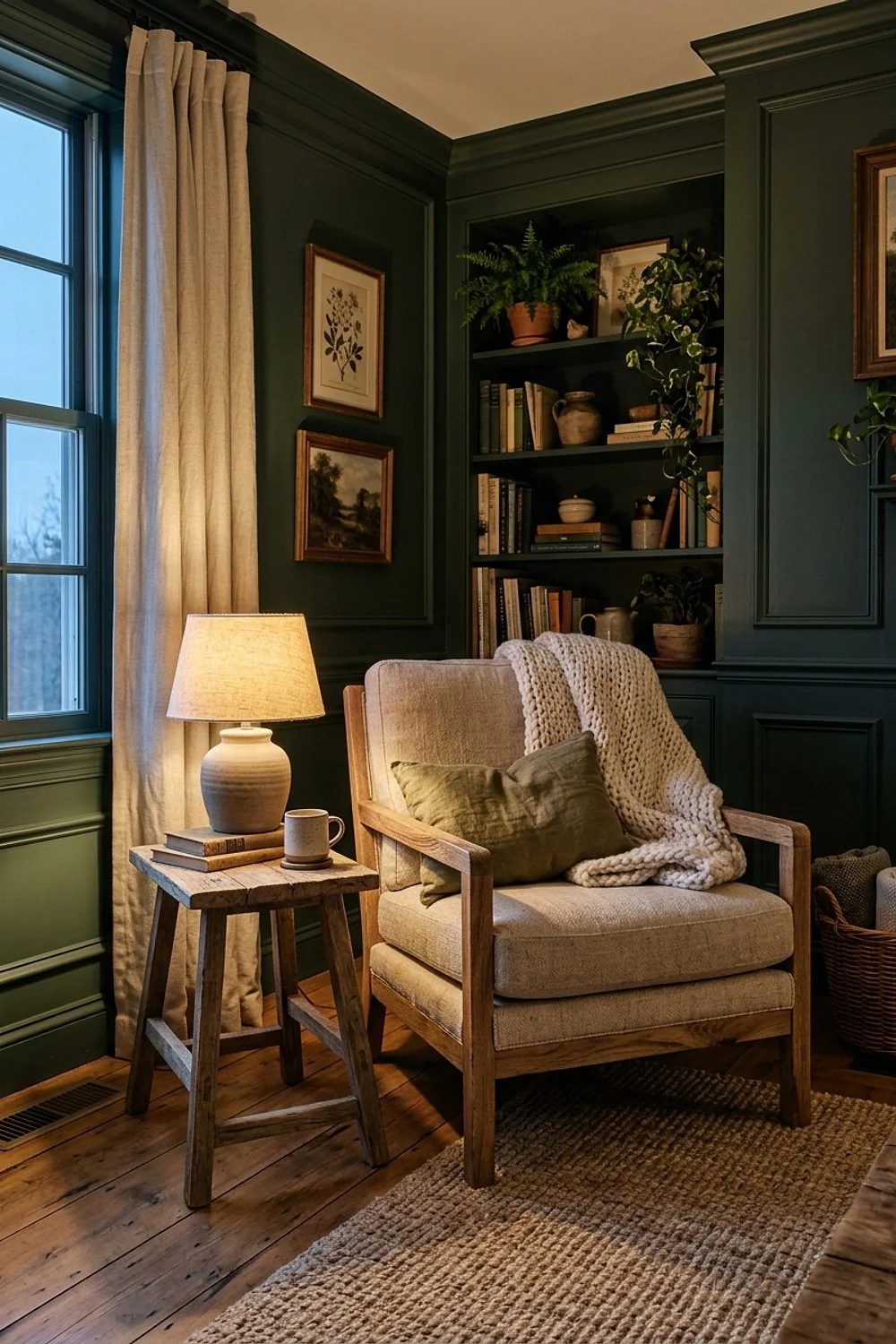
An armchair with a seat 17 to 18 inches high and 20 to 22 inches deep suits most adults and gets used daily. One chair that fits beats a pair that doesn’t.
Sit in it for ten full minutes before buying. Too-deep seats make short people slouch, and a slouched sitter stops using the chair.
One large plant instead of ten small ones

A rubber plant in a 14-inch terracotta pot fills a corner with leaf shine and needs watering about once a week. Ten windowsill pots mean ten saucers, ten sets of droop and ten dusting jobs.
Take cuttings from a friend’s plant instead of buying one. The plant should match the light, so a south window suits a rubber plant and a dim corner doesn’t.
Unlined linen curtains
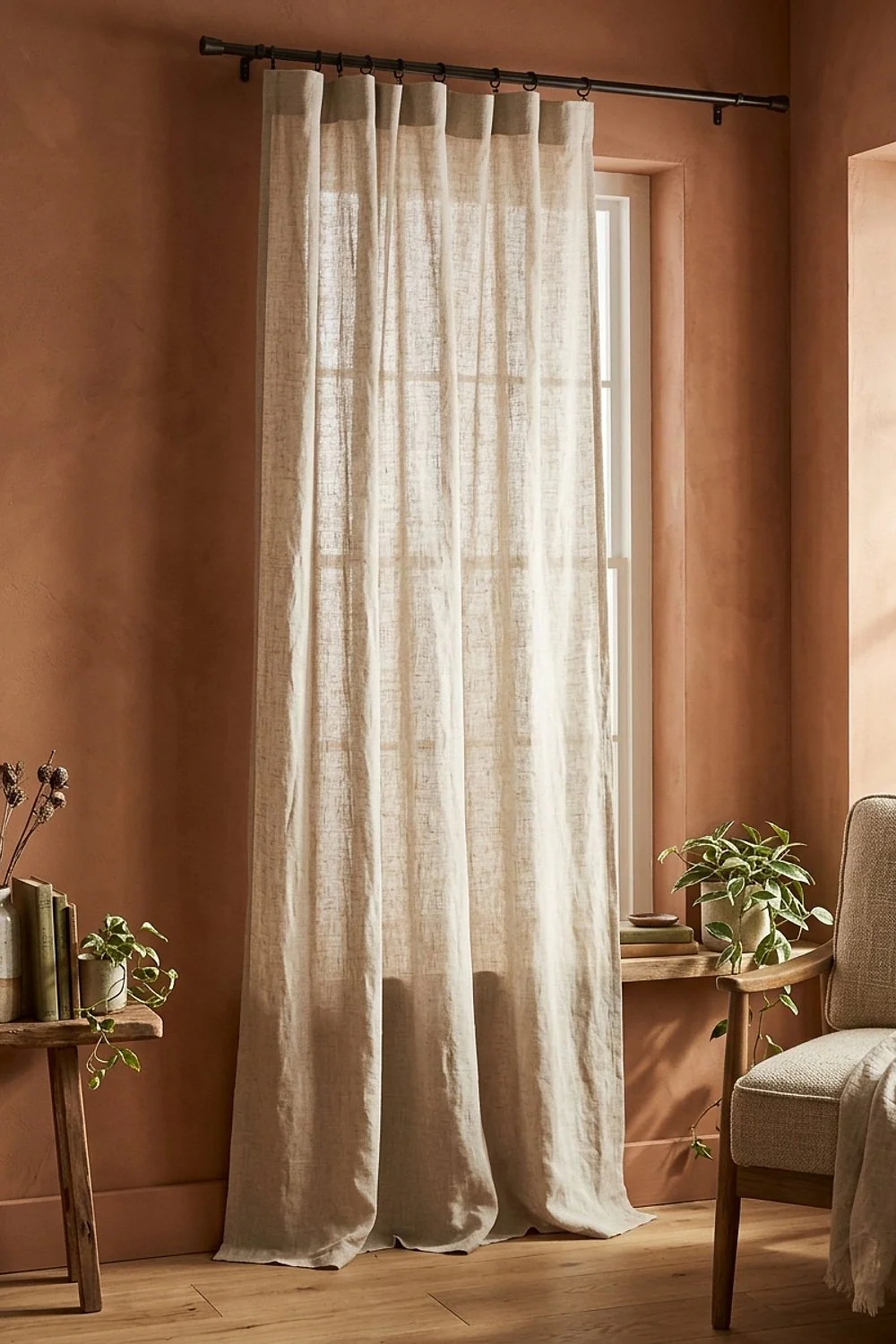
Linen without a polyester lining can be washed on a gentle cycle and line-dried, and it softens for years. Look for stonewashed fabric around 200 grams per square meter.
It suits living rooms where privacy matters less than daylight. Blackout liners with PVC backing are the part to avoid, since they trap odors and crack.
Tape out the furniture before moving anything
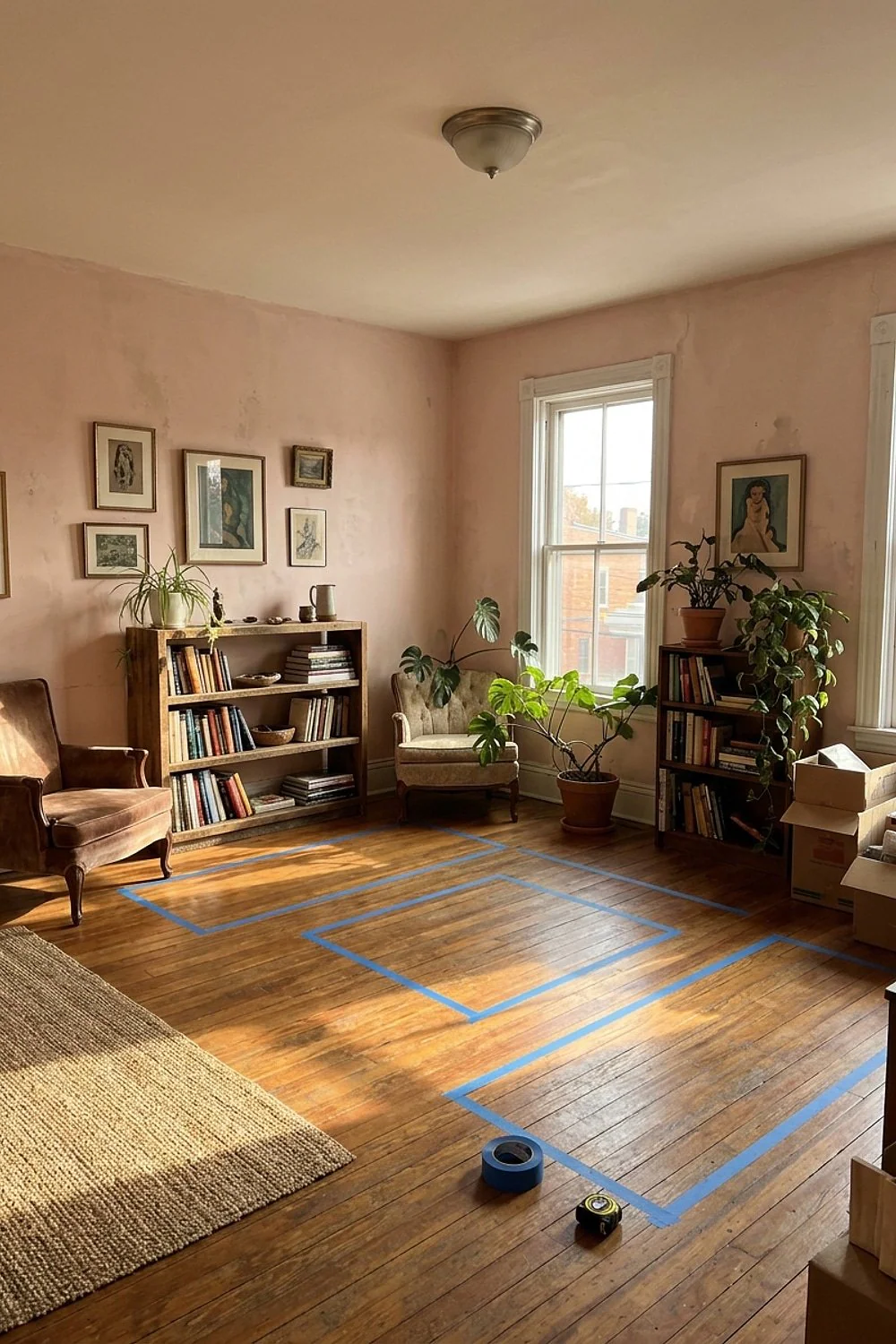
A $10 roll of painter’s tape marks the footprint of each piece on the floor. Walk through the shapes for an evening and notice which ones crowd the 30 to 36 inch path.
This catches layout errors before anyone lifts a sofa. The usual mistake is judging by eye, which makes every room feel like it has space for one more thing.
One large artwork, not a gallery wall
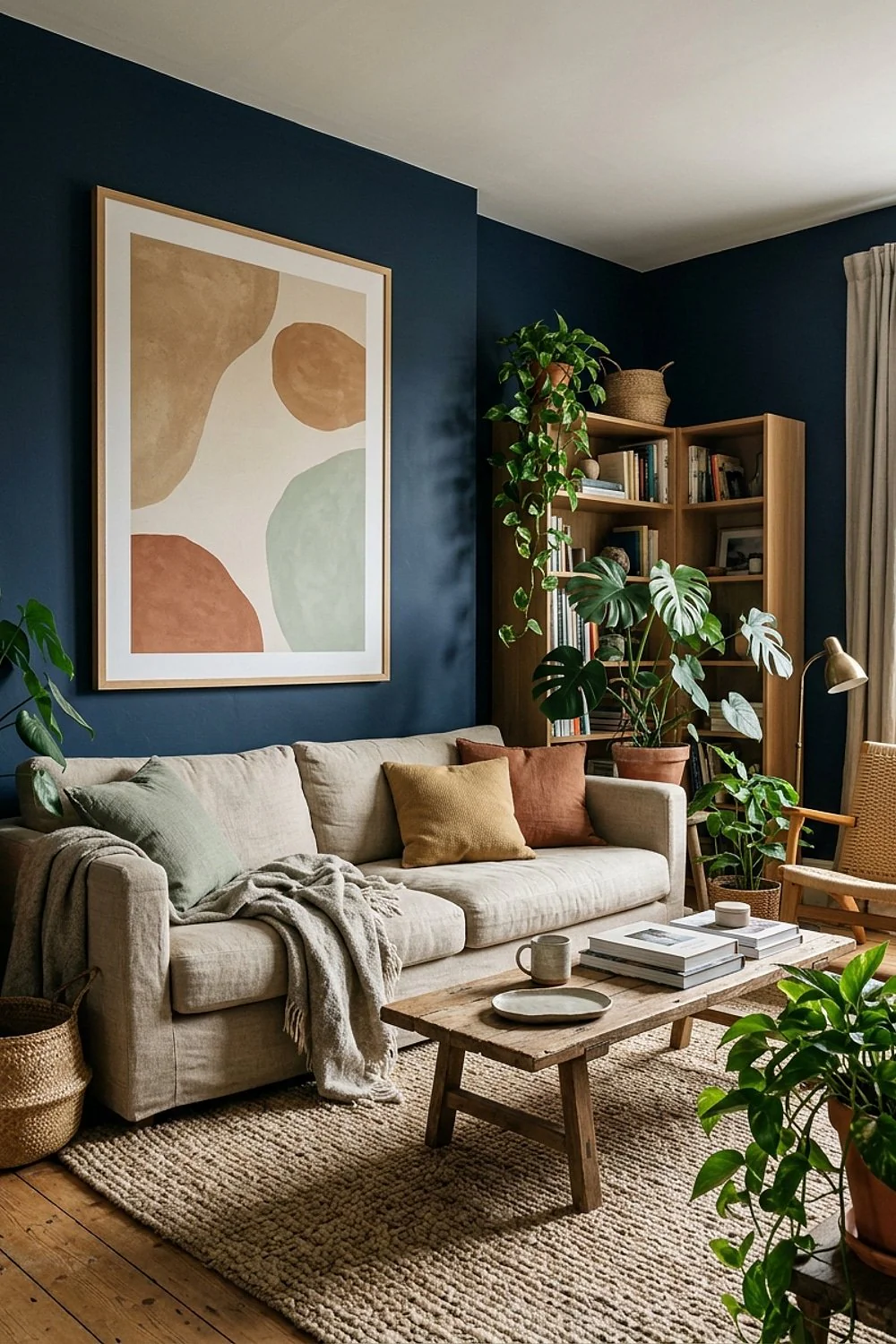
Spanning about two thirds of an 84-inch sofa’s width, one 40 by 60 inch piece of art is enough to fill the wall above it. That’s one nail hole instead of the 20 or so a twelve-frame gallery needs.
Secondhand frames are plentiful, so reuse the frame and swap the print. Hang the center at 57 inches above the floor, roughly eye level.
Stay in one wood family

Honey oak tables, an oak shelf and an oak frame make the room feel settled even if every piece came from a different decade. Mixing orange pine, cold walnut and gray oak does the opposite.
This suits anyone who buys secondhand, where pieces arrive in random finishes. Hold a sample against the floor in daylight before you commit.
Glue the wobbly leg, don’t bin the table
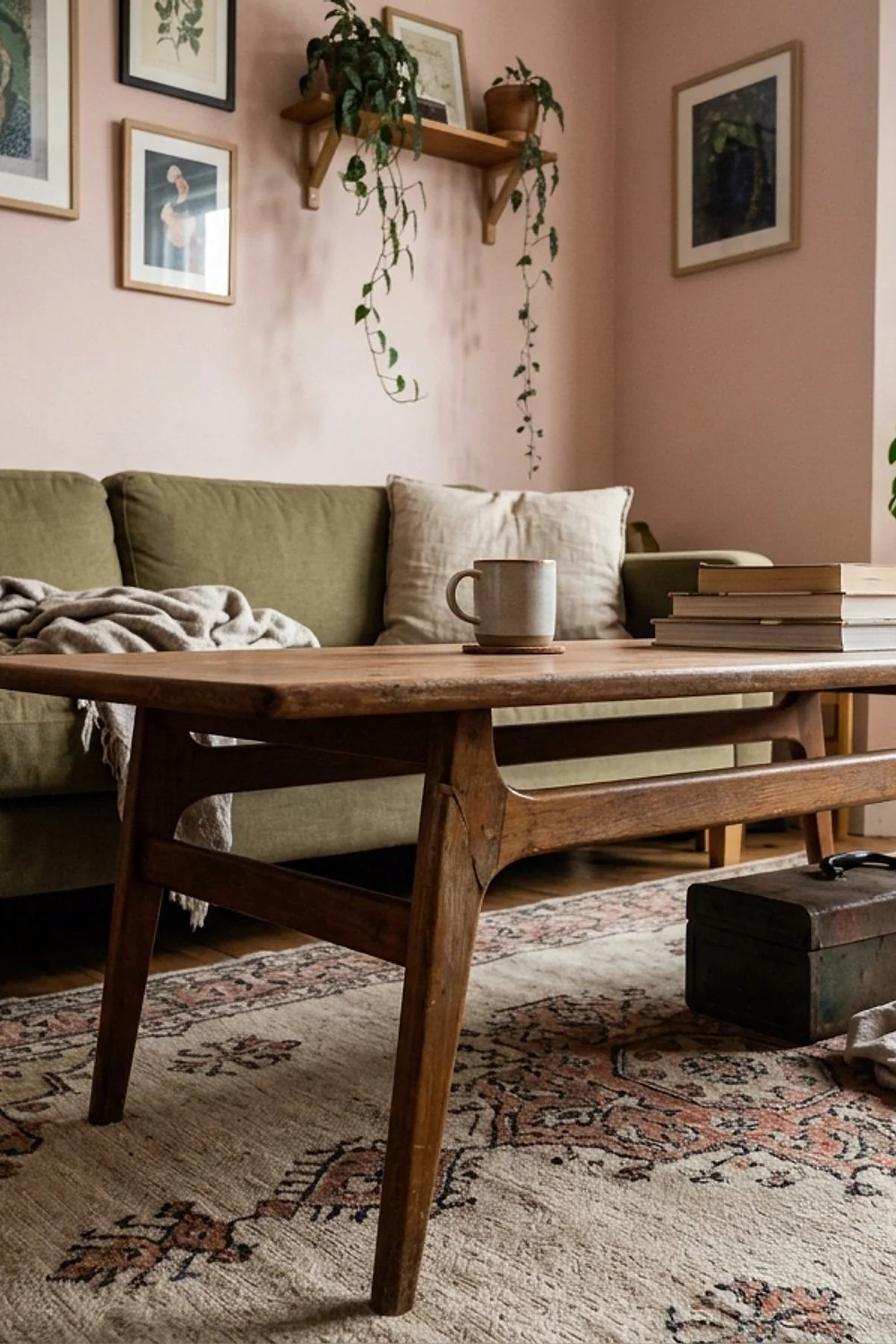
A loose joint needs PVA wood glue and a clamp for 24 hours. The repair costs almost nothing and extends the table’s life by years.
Clean the old glue from the joint first, because new glue on old residue won’t hold. Anything with a split in the top, not the leg, is a bigger repair.
Read the label on “eco” furniture
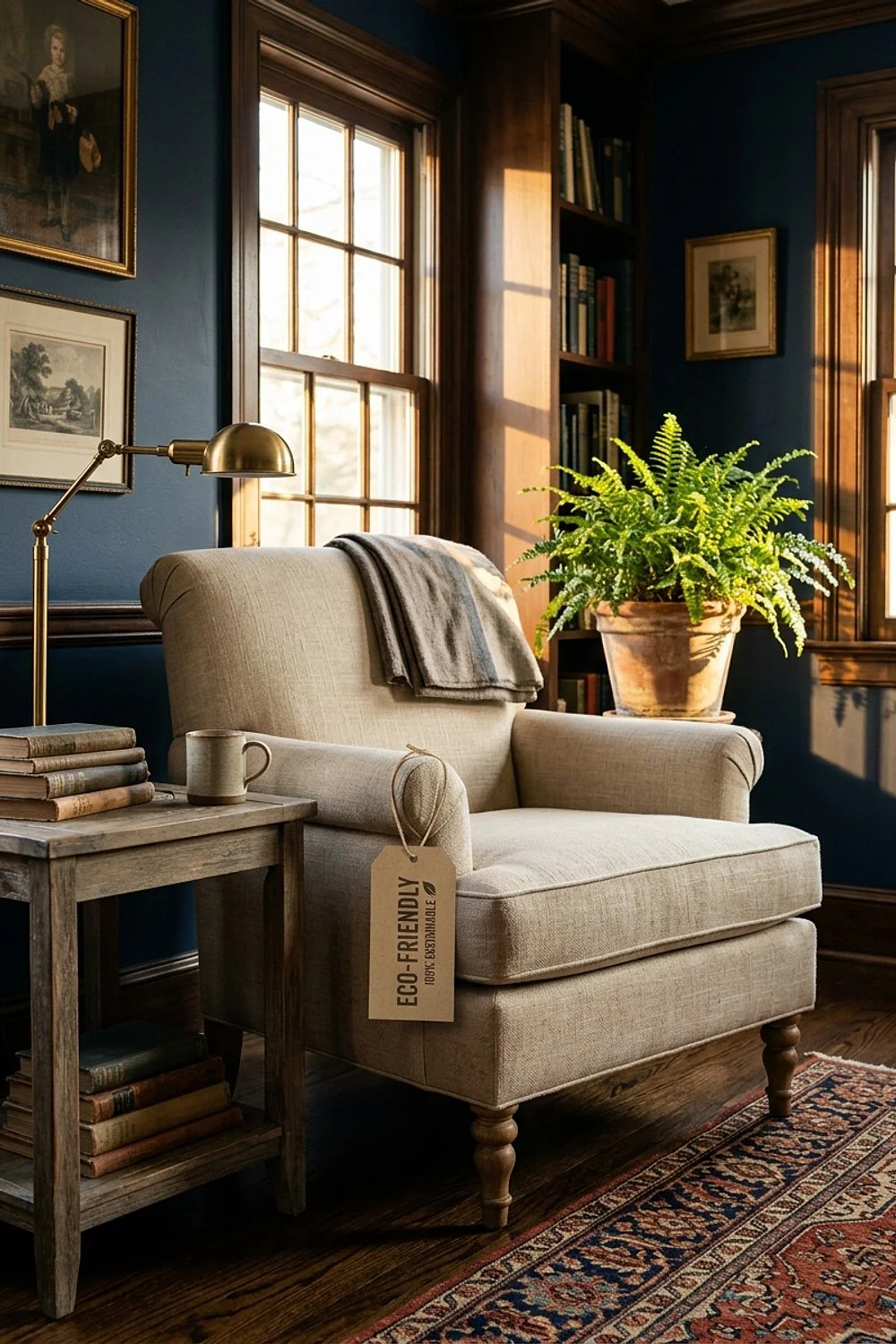
Green-sounding names mean little. Look for FSC certification on wood, GOTS on organic cotton and OEKO-TEX on fabrics, then check the number on the tag.
The costliest mistake is buying a new “sustainable” sofa to replace a working one. The greenest piece is usually the one already in the room.
Wicker baskets for the clutter that stays
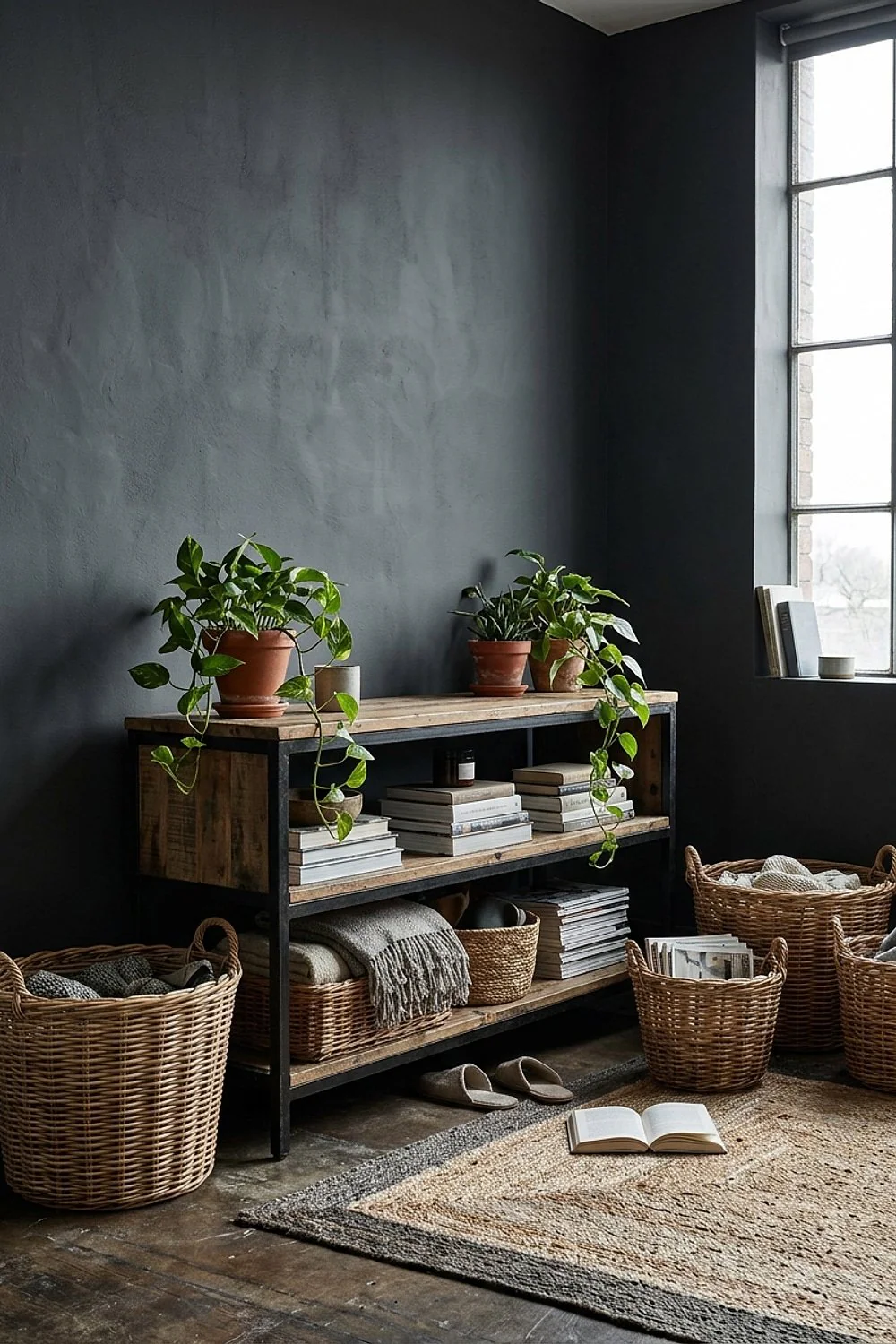
Secondhand wicker baskets run $8 to $20 and hold throws, magazines and toys without a plastic sheen. A 16-inch basket by the sofa takes the blanket pile off the cushions.
Check the weave for loose ends that snag knit throws. Skip baskets with strong chemical smells, which often mean a lacquer coating.
A dimmer in place of extra lamps

Bright light for cleaning and 20 percent light for evenings both come from one dimmer switch on the ceiling fixture. That does the job of two table lamps you no longer need to buy.
Pair it with dimmable LED bulbs, since non-dimmable ones buzz. Wiring is easy for an electrician, but rentals may not allow it.
A felt rug pad under the wool rug

A quarter-inch pad of felt and natural rubber keeps the rug flat, protects floors and softens each step. The wool underneath wears more slowly, so the rug can last three decades.
It matters most on hard floors in a family room. Avoid PVC grip mats, which can stain finishes over time.
Rotate a box of objects instead of buying new ones

A lidded box in the closet holds a dozen things that cycle in and out with the seasons. In a gray November, brass and dark ceramics come out. In May, pale glass and linen take over.
The room changes without spending anything. Limit the box to what fits in one carton so it doesn’t turn into storage for clutter.
Hardwax oil on worn wood
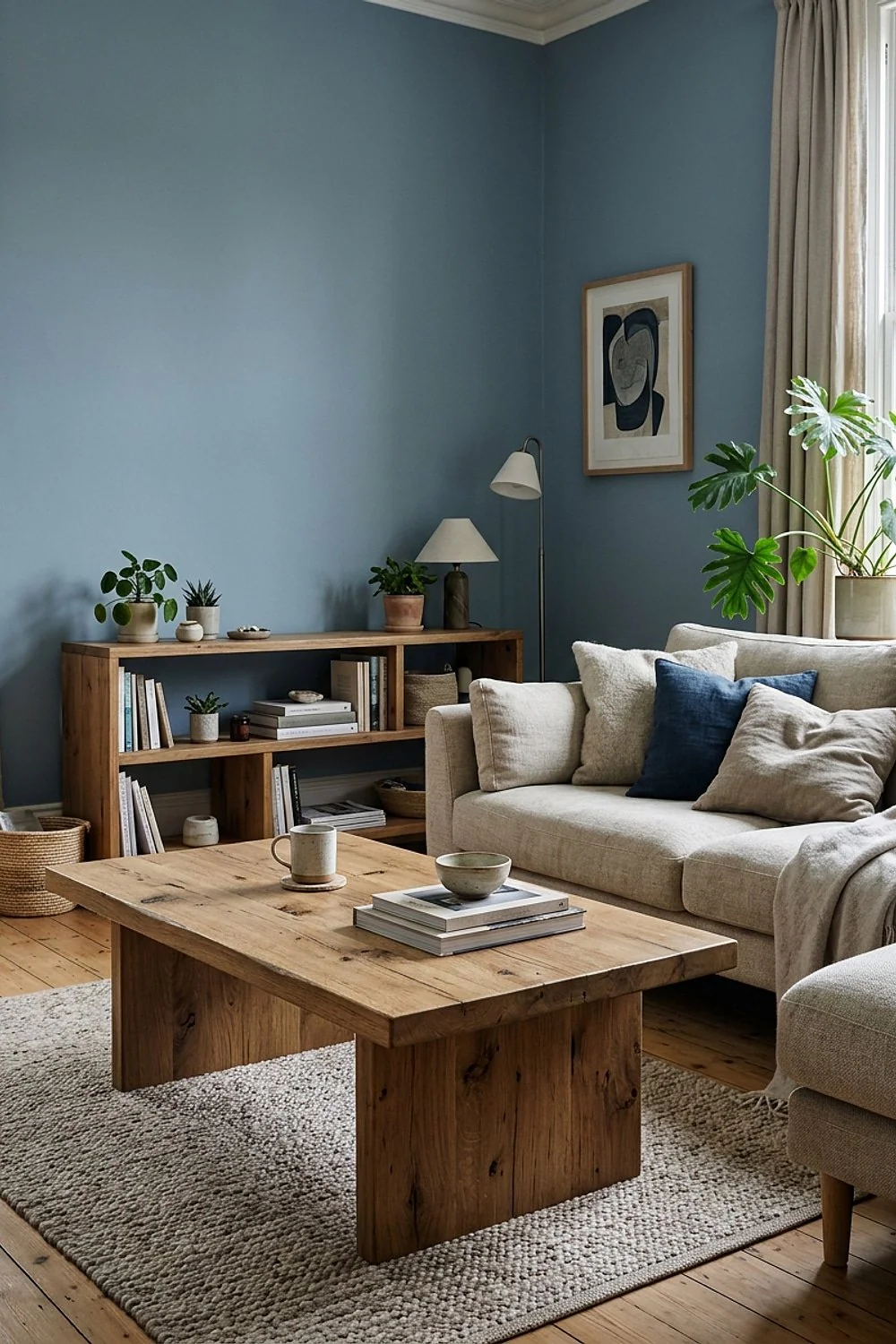
A 500 ml tin of hardwax oil costs about $30 and treats a coffee table and two side tables with room to spare. It soaks in rather than sitting on top, so scratches can be spot-repaired.
Sand to 180 grit first and rub the oil in thin. Thick coats stay tacky for days.
Angle two chairs 6 to 8 feet apart
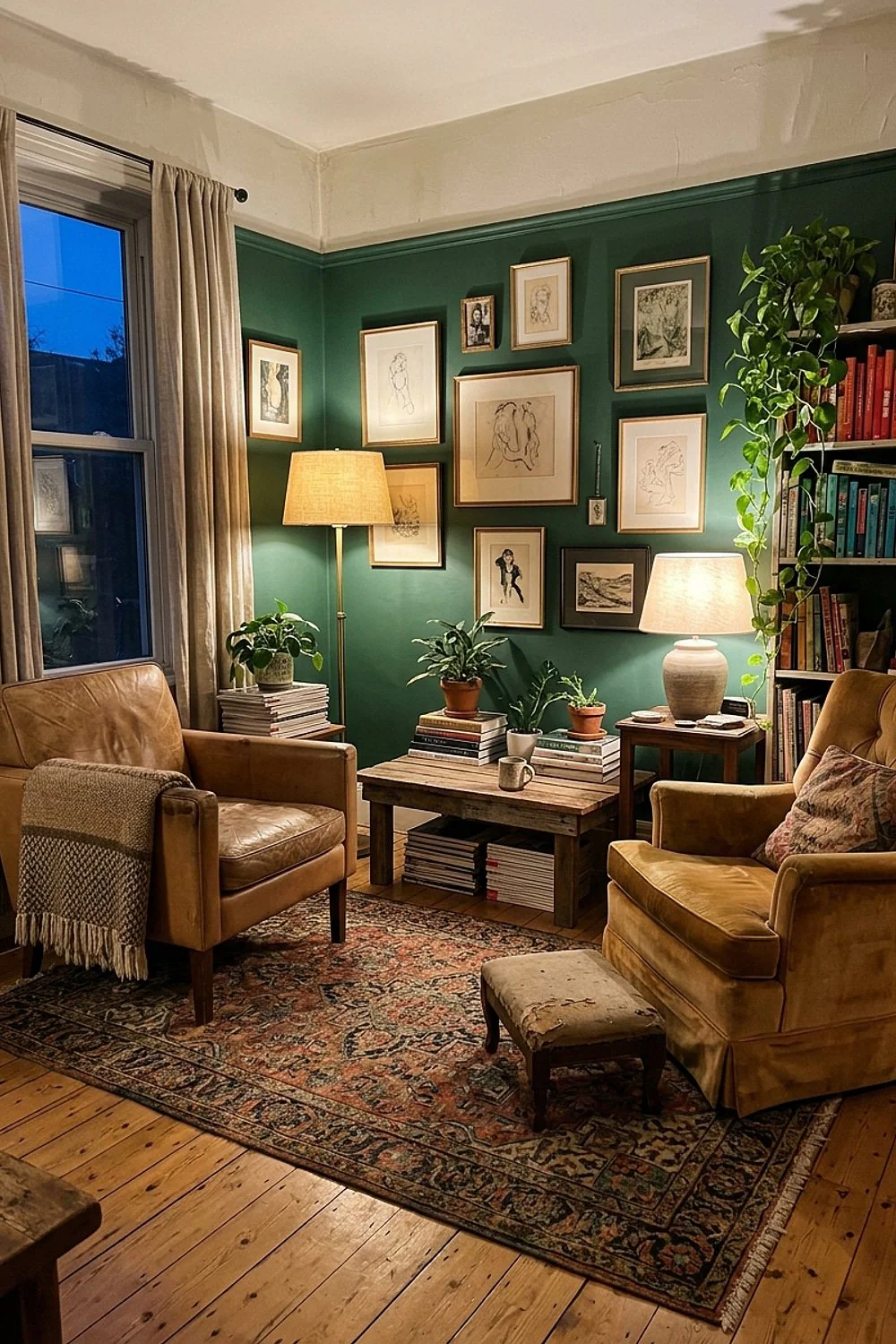
Two chairs turned slightly toward each other, with a stool or trunk between, make a conversation corner without a single new piece. At that distance people can talk at normal volume.
It suits rooms where the sofa is booked solid. In a very small room, one chair at an angle is enough.
Measure before choosing a sofa length
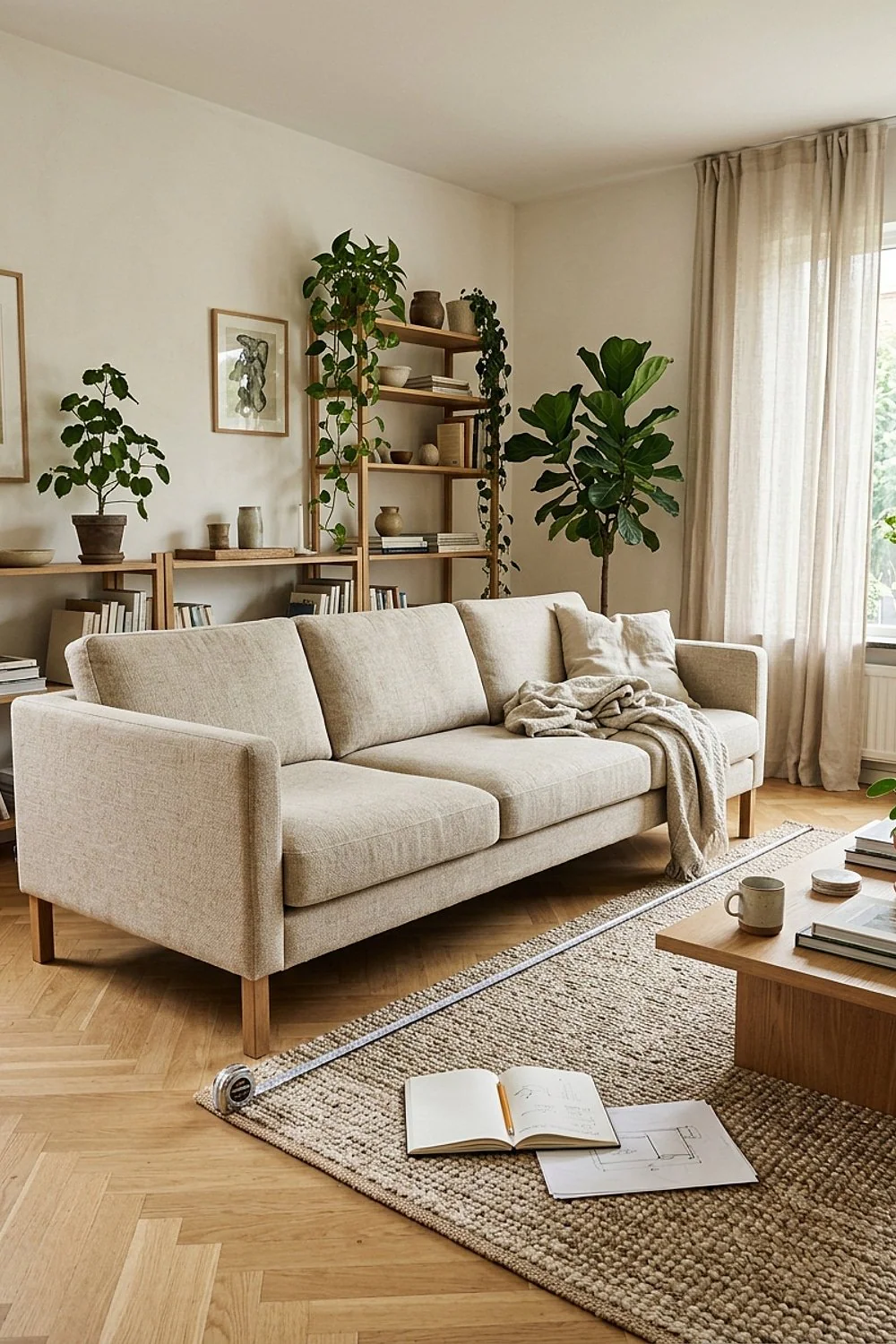
A 78 to 84 inch sofa fits comfortably in a 12-foot wall and leaves room for a side table at each end. Going to 96 inches makes the room feel stuffed.
Many shoppers pick the longest sofa because comfort seems to scale with length. It doesn’t, and a deeper seat does more for lounging than extra inches of arm.
One deep accent in a single secondhand piece
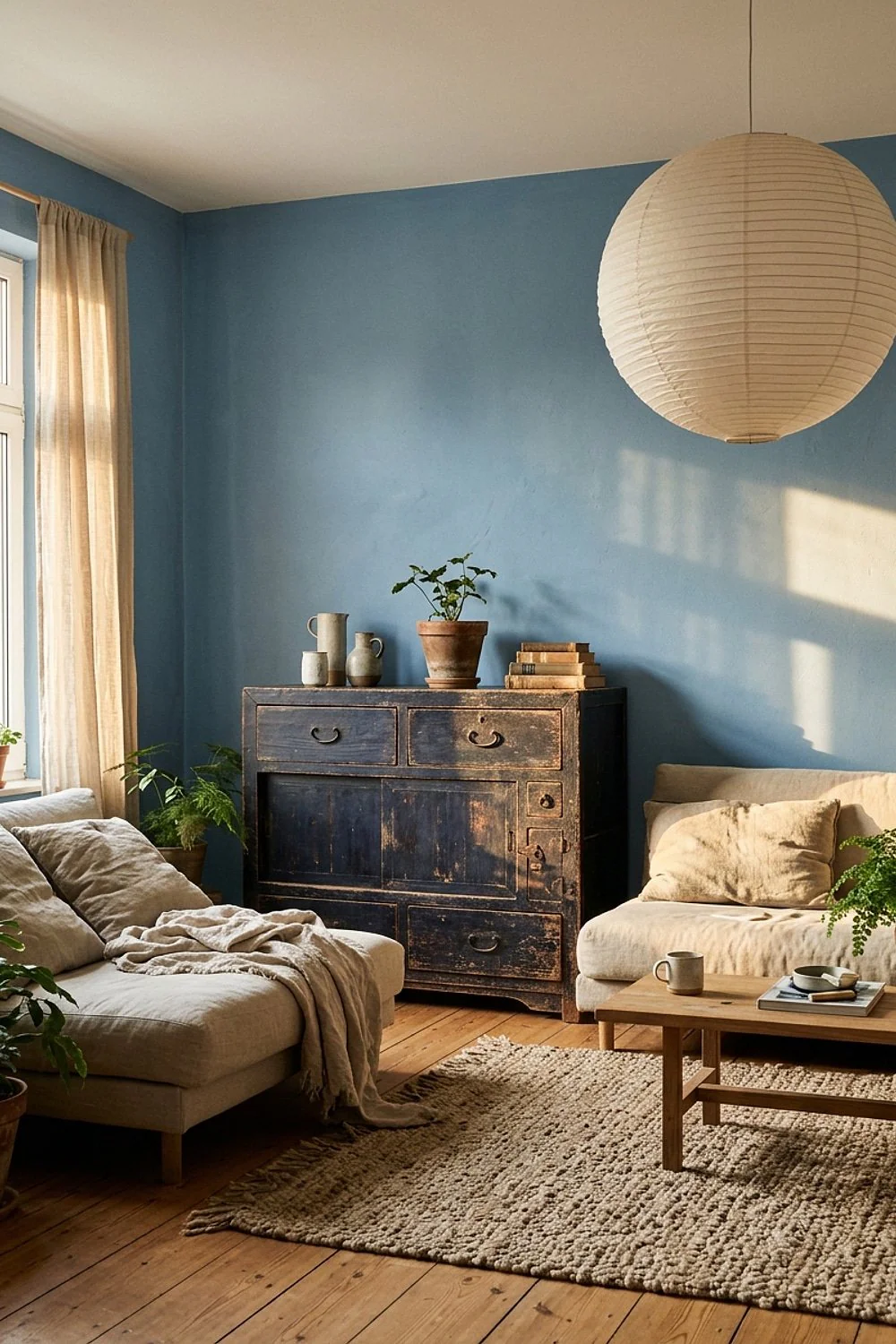
A forest-green armchair against pale walls is enough color for a room. Because it’s the only strong hue, the eye lands on it and everything else recedes.
This suits anyone afraid that minimal means beige. Pick a color from a book spine or a plant leaf, and keep it to one piece.
What to remove first
Sustainable living room ideas begin with taking things out, so start there before spending anything. Removal costs nothing, and it shows what the room needs.
Take these out in this order:
- Duplicate surfaces: the second coffee table, the third side table.
- Decorative cushions beyond two per seat.
- Anything on the floor that isn’t a rug or a plant.
- Objects that need dusting weekly and mean nothing.
- Cables, chargers and remotes without a home.
Leave the pile in the hallway for a week. Whatever you walk past without noticing can go.
The vision board
Fewer things can tip a room from calm to clinical. The fix is texture, not more objects.
Look, a bare room with five cold surfaces, such as glossy white walls, a gray sofa, a glass table and a steel lamp, feels like a waiting room. Swap in wool, linen, wood and a bit of clay, and the same footprint feels lived in.
Light also changes everything. At 4pm in late autumn, a 2700K bulb and a linen shade throw a soft amber that polished surfaces can’t.
Here’s a counterintuitive point: a room with fewer pieces needs more texture per piece. One nubby wool throw beats four smooth cushions.
One in, one out and other rules that hold up
One in, one out is the rule of thumb that keeps any edited room from refilling. Whenever something comes through the door, something leaves.
It holds up because clutter grows by small arrivals, not big purchases. A rule that works on a $20 vase also works on a sofa.
For the pieces that do arrive, buy secondhand first. Auction houses, charity shops and online listings often sell solid-wood furniture for about a third of the new price.
Care that keeps pieces in use for decades
Wood needs oil once a year, wool needs airing in spring, and linen needs a gentle wash. That’s most of the upkeep for an edited living room.
Rotate cushions and throws every few weeks so wear spreads evenly. Fix small things quickly: a loose screw takes 30 seconds, and a split joint takes a weekend.
Keep a small repair kit in a drawer: wood glue, felt pads, a screwdriver, hardwax oil and spare screws. Having the tools to hand is what turns a wobble into a fix instead of a skip.
A four-week edit you can start tonight
Sustainable living room ideas stick when the work is spread out. Four weeks is enough to change a room without exhausting you.
- Week one: clear every surface, then put back only what you use or love.
- Week two: remove one piece of furniture and live without it.
- Week three: repair, oil or re-stuff what’s left.
- Week four: fix the layout and tape out any new purchase before buying it.
Stop whenever the room feels right. Not every edit has to reach zero.
Fewer pieces, longer lives
The best sustainable living room ideas ask you to own less, repair more and buy slowly. A calm room is mostly the result of things removed.
Save or pin this list so it’s there when you’re ready to start. Try idea 19 first: tape out the furniture, then measure the walkway before you move or buy anything.
Frequently asked questions
What is the simplest way to start with sustainable living room ideas?
Remove what you don’t use, then repair what remains. That step costs nothing and shows what the room needs, which prevents impulse buys.
Is secondhand furniture really more sustainable than new “eco” furniture?
Usually, yes. A piece that already exists carries no new manufacturing footprint, and solid-wood older furniture often outlasts new composite. Look for FSC or GOTS labels only when you must buy new.
How much do sustainable living room ideas cost?
Most of them cost nothing or save money. A rewire kit is about $12 and a tin of hardwax oil about $30. The larger spend is a good secondhand sofa or armchair, often $300 to $600.
Can I do this in a rental?
Yes. Rugs, lamps, throws, baskets and rearranged furniture all leave no trace. Skip limewash and dimmer wiring unless the landlord agrees.
One Comment